Reflections from NAFSCE Assembly 2026, written by Amanda Ensor
There’s a particular kind of tired that comes with this work. Those of us who bring families and schools together know the weight of carrying other people’s hopes, worries, and hard days alongside our own. The phrase compassion fatigue may feel familiar. So can the tendency to keep going without making much room to replenish ourselves.
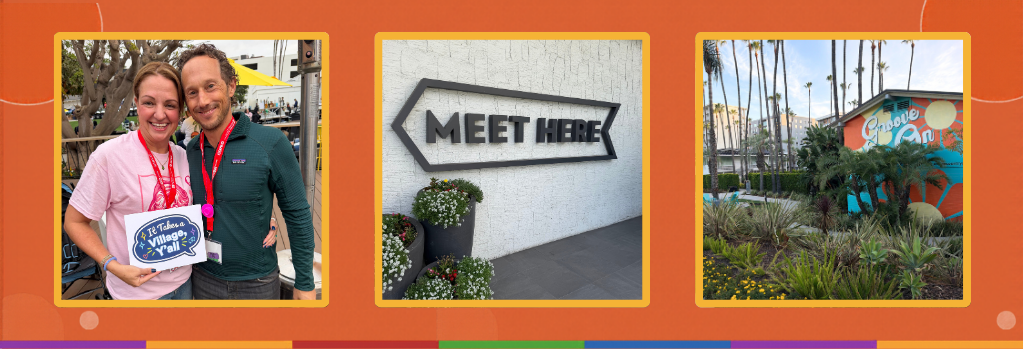
Arriving at the Town and Country Resort in San Diego offered a welcome change of pace. Even the signs seemed to understand exactly why we had come: “MEET HERE.” For those of us accustomed to pouring our energy into others, those California skies felt like permission to pause, breathe, and let ourselves be refilled.
The NAFSCE Assembly 2026 invitation to “Reflect. Connect. Collaborate. Lead.” felt fitting. We had come to learn alongside people who understood the work because they lived it, too: 1,059 of us, the Assembly’s largest audience yet. Over the days ahead, we would be reminded of what our partnerships ask of us and why they matter to children.
Are we willing to be villagers?
San Diego Unified Superintendent Dr. Fabi Bagula shared a hopeful message about her district’s progress and the dedication required to keep moving forward. She also asked us to consider a familiar phrase: It takes a village. Were we willing to be villagers?
Then we heard from Erin Gruwell, the teacher portrayed by Hilary Swank in Freedom Writers, alongside original Freedom Writer Sonia Rezkalah. Their reflections reminded us of the hope, promise, and possibility educators can help students recognize in themselves. One message stayed with me: “Teach to me. See me.”
That request took on another dimension in a session with Michigan’s MiFamily leaders. Through their exploration of relational activism and community walks, they challenged us to see, notice, wonder, and appreciate the communities we serve. Their approach invited us to enter with curiosity and pay attention to the strengths, stories, and relationships already there.
I kept returning to Dr. Bagula’s question. Being a villager asks us to learn about the people around us and allow what we learn to shape our actions. It means listening before deciding what a family needs and recognizing that families bring knowledge we need to understand their children. Do we connect with families when a child has something to celebrate? Do we make it comfortable for a caregiver to ask a question? When a family offers a perspective we had not considered, are we willing to adjust our approach? Those everyday choices give the idea of a village its meaning.
I have a small example of what that looks like over time. A few weeks ago, I texted a former student, Nicole, to wish her a happy birthday. I’ve known Nicole since fifth grade. She wrote back that the message made her cry, and that I had been one of the biggest lights in her life. Then she sent a photo of herself next to one of her own fifth grade students. Nicole is a teacher now, hoping to make the same kind of difference. One text, with years of small, consistent connection behind it. That’s what a villager does.
Making belonging visible
A letter from Dr. Shadae Harris was read aloud by Anne Henderson in her absence. It brought us back to Richmond Public Schools’ “We Love You Here” campaign. Those words express a commitment that has to be carried into daily interactions. A family should be able to recognize that commitment in the way a concern is answered, in the effort to communicate in a language they understand, and in whose perspective influences a decision. When we say families belong, our practices should give them reasons to believe us. This is where belonging connects directly to teaching and learning. A relationship should make it easier for families and educators to discuss a child’s strengths, understand what the child is learning, and work through questions together.
“We Love You Here” gives us something to examine in our messages, meetings, and decisions.
See how TalkingPoints makes this easy: Every message is translated into 150+ languages with human-backed, K-12 contextualized translation, so families receive meaning and not just words, and can reply in the language they speak at home.
And how are the children?
During a keynote, we were asked to consider the Maasai greeting “Kasserian Ingera?” “And how are the children?” Why are we not leading with that question more often? What would change if it opened our leadership meetings and guided our budget decisions? An honest answer has to include children’s learning, their sense of safety and belonging, and what they and their families are telling us. We need to understand how each child is experiencing school, what supports their learning, and what may be getting in the way. Families are essential partners in finding those answers.
A session on research from Learning Heroes and TNTP explored what helps schools and communities thrive. For me, it brought that question into practical focus. If we want families to feel seen and to contribute to learning, what needs to be true in a school’s daily routines? How do leaders make time for that work, prepare educators, and use what families share? Those are questions to carry into planning long after the Assembly.
Dr. Miguel Cardona closed our time together with a reminder of the name he cherishes most: Papi. That personal detail brought the conversation back to the children and families behind every professional title. I want us to remember that when we write a message, schedule a meeting, or respond to a concern. The way we handle those moments tells families whether their perspective matters.
Cardona reinforced the idea that progress moves at the speed of trust. I heard that as a call for consistency. Families need reasons to believe we will listen, respond honestly, and do what we say we will do. Each follow-up allows us to make our commitment credible. His call to form alliances and serve as surrogates for people who need support also made me consider how we use our access. To me, that means standing beside families, helping ensure their perspectives are represented, and creating opportunities for them to participate in decisions that affect their children. It is another way to accept our responsibility as villagers.
Cardona also spoke to the pressures many families are navigating right now, from uncertainty to financial strain. The message I carried away was that the work has to continue through those pressures. Children and families still need people who will show up, listen, and help them find support.
His emphasis on prevention challenged us to consider the costs of waiting until needs become crises. For me, that strengthens the case for investing in family engagement early and consistently. Educators need time to communicate and opportunities to learn how to build partnerships. Families need accessible ways to reach someone who can help. Those commitments deserve a place in our budgets and calendars.
See how TalkingPoints makes this easy: Built-in best practices, including weekly tips, message templates, and Message Mentor, help staff build family engagement skills as they send messages, with no separate training required.
Who refills the villagers?
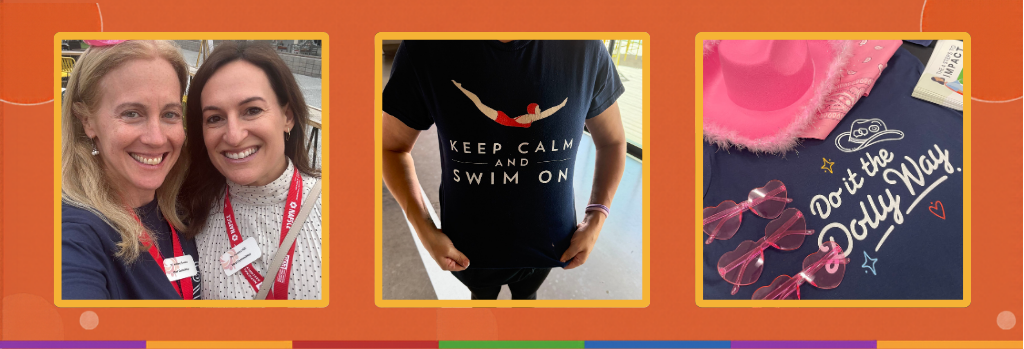
At NAFSCE, TalkingPoints hosted a poolside happy hour where old friends and new colleagues had time to reconnect. A sign at the bar offered a message that felt made for us: Keep calm and swim on. It made me think of Dory’s familiar reminder to keep swimming. Family engagement professionals know something about persistence. We work through budget pressures, shifting priorities, and difficult conversations. We stay with relationships that take time to build and with progress that can be hard to see from day to day.
Those few days of swimming alongside each other gave us room to share the hard parts, celebrate what was working, and remember that we have colleagues to turn to. The people who help others feel supported need that experience themselves.
So this Family Engagement Month, we want to say it plainly to everyone who does this work: thank you. To the family liaisons, community school coordinators, counselors, teachers, and leaders who carry other people’s hopes alongside their own, you deserve the same care you give. Take the pause. Lean on your colleagues. Let yourself be refilled.
Carrying the work home
I came away from San Diego with renewed energy and a clearer sense of what I want to carry into the work ahead: messages that help families feel welcome, conversations that make room for what they know, and follow-through that turns our intentions into something they can experience.
I also want to keep doing this the “Dolly Way”: my reminder to lead with warmth, see the person in front of me, remove barriers, and help bring learning home. That can begin with a smile and continue through a conversation that helps a family feel confident supporting their child.
The question I want to keep asking is the one that brought so much of the Assembly into focus: And how are the children? We owe children and families the attention to hear an honest answer and the commitment to act on it together.
Keep calm and swim on. We have each other to keep us going.
Put these ideas into practice
Listening first, making belonging visible, and following through take more than good intentions. See how TalkingPoints helps schools and districts turn these practices into everyday routines with families.